Tasting place: Mr Lyan on Victoria's unique flavor
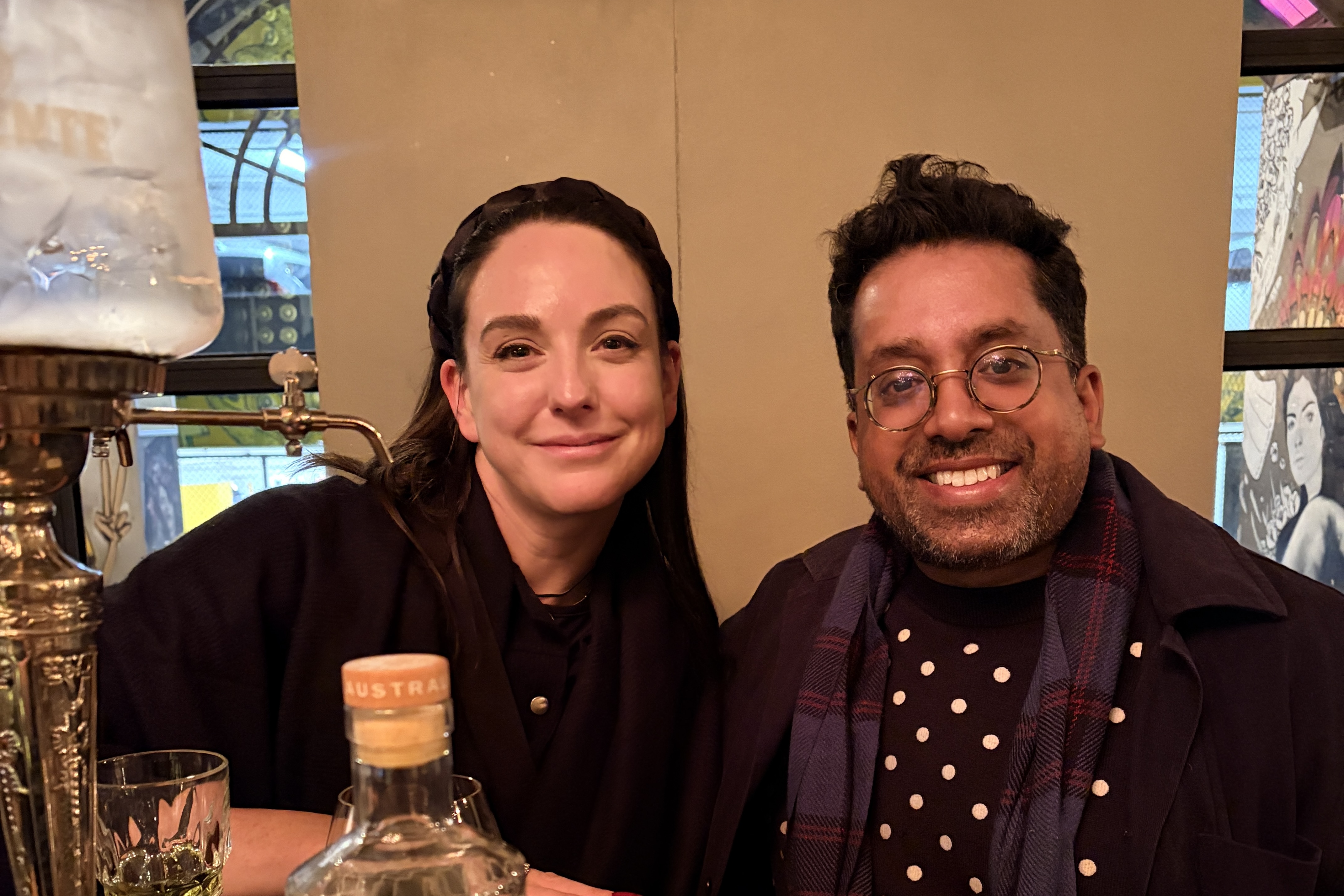
When it comes to bartending, few people have had greater global influence than Ryan ‘Mr Lyan’ Chetiyawardana. Having spent more than a decade crafting unique and innovative bar experiences, Ryan has travelled the world exploring technique, flavour and craftsmanship from every angle.
His first bar White Lyan, opened in London in 2013 and became the world’s first to use no perishable produce. Recognised for its commitment to sustainability, White Lyan was named Tales of the Cocktail's Best New Bar in 2014, and in 2015 Ryan was crowned International Bartender of the Year at the Spirited Awards.
He's since built a global portfolio of acclaimed venues in London, Washington DC and Amsterdam, authored multiple cocktail books, and founded drinks consultancy Mr Lyan Studio, and currently hosts the travel-food-drink series Mr Lyan's Taste Trips.
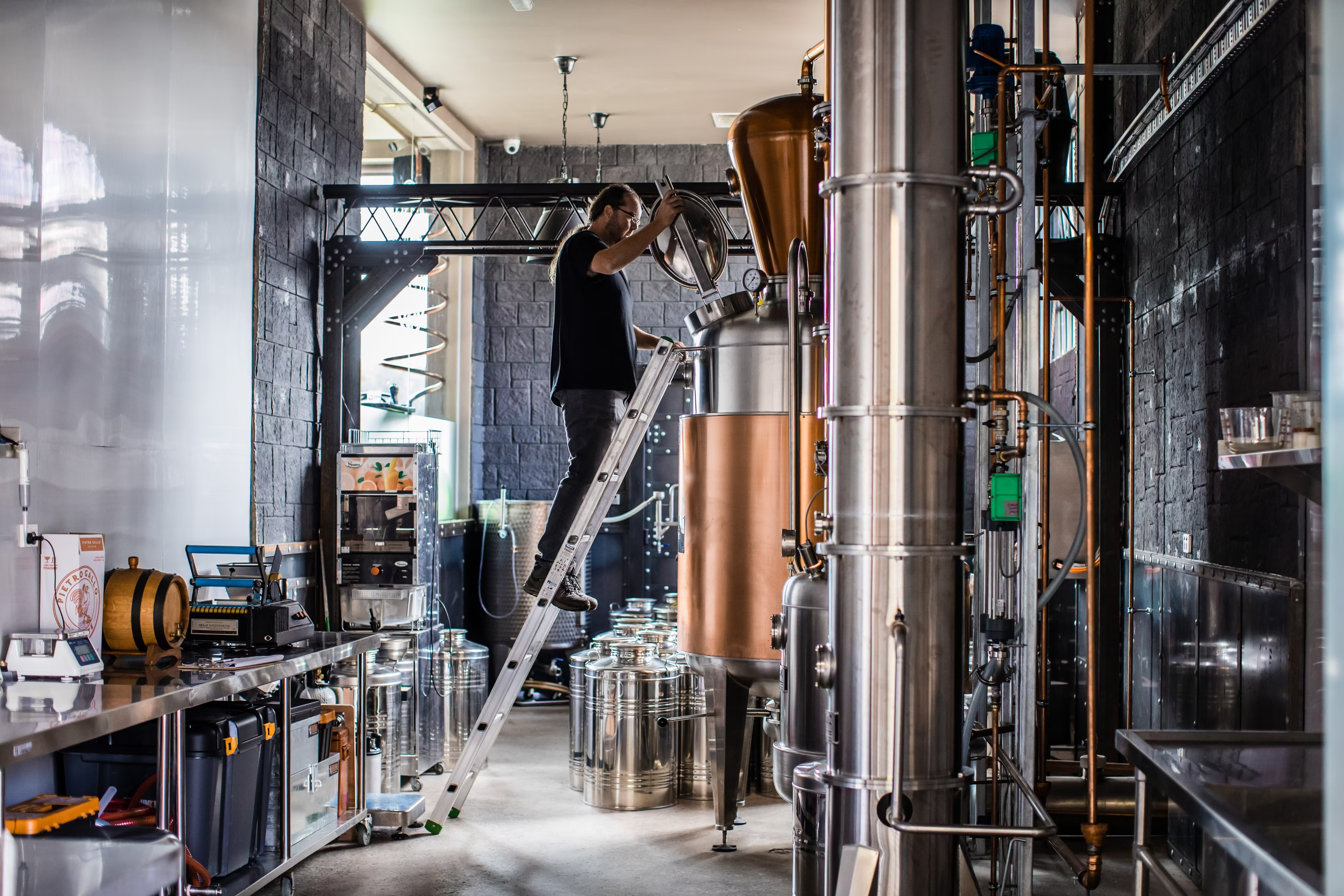
Recently he visited Victoria as a judge at the Australian International Spirits Awards, and travelled with Vic Distilled Brand Ambassador Tayla Kendall to Tano Spirits, Starward, Four Pillars, Little Lon, Melbourne Gin Company (MGC), Killik, Marionette, The Gospel,Bakery Hill and Dutch Rules.
Reflecting on his time spent in Victoria, Ryan said he was impressed by the maturity, experience and expressiveness of the state’s distillers and their ability to forge a distinctive voice without feeling completely ‘brand new’.
“It's no longer just a handful of standout producers. There are so many distillers creating exceptional spirits, each with their own identity and perspective, and the overall quality is remarkable.
“There are enough producers with years of experience behind them, there's genuine collaboration across the industry, and consumers are increasingly curious.That last part is important. People initially support locals because they care about provenance and community, but long-term success comes from making something meaningful, something that demonstrates real local excellence.You can really see that momentum building.”
A taste of place
A standout of Ryan’s time spent in Victoria was exploring the complexity and diversity of ingredients (both new and familiar), something he says helped him understand what truly made each of the state’s distillery’s identity unique.
“Novel ingredients are always fascinating, but tasting something familiar that's been interpreted through a local lens helps you understand what makes a place truly distinctive.
“For example, quandong. It was fascinating because we first saw the kernels on our table while dining at Attica in Melbourne, then they kept appearing throughout the trip. At Four Pillars, in bars, and in different spirits. It was really interesting seeing this historic native ingredient, with deep significance to First Nations people, being interpreted through modern distillation and transformed into something completely new.”
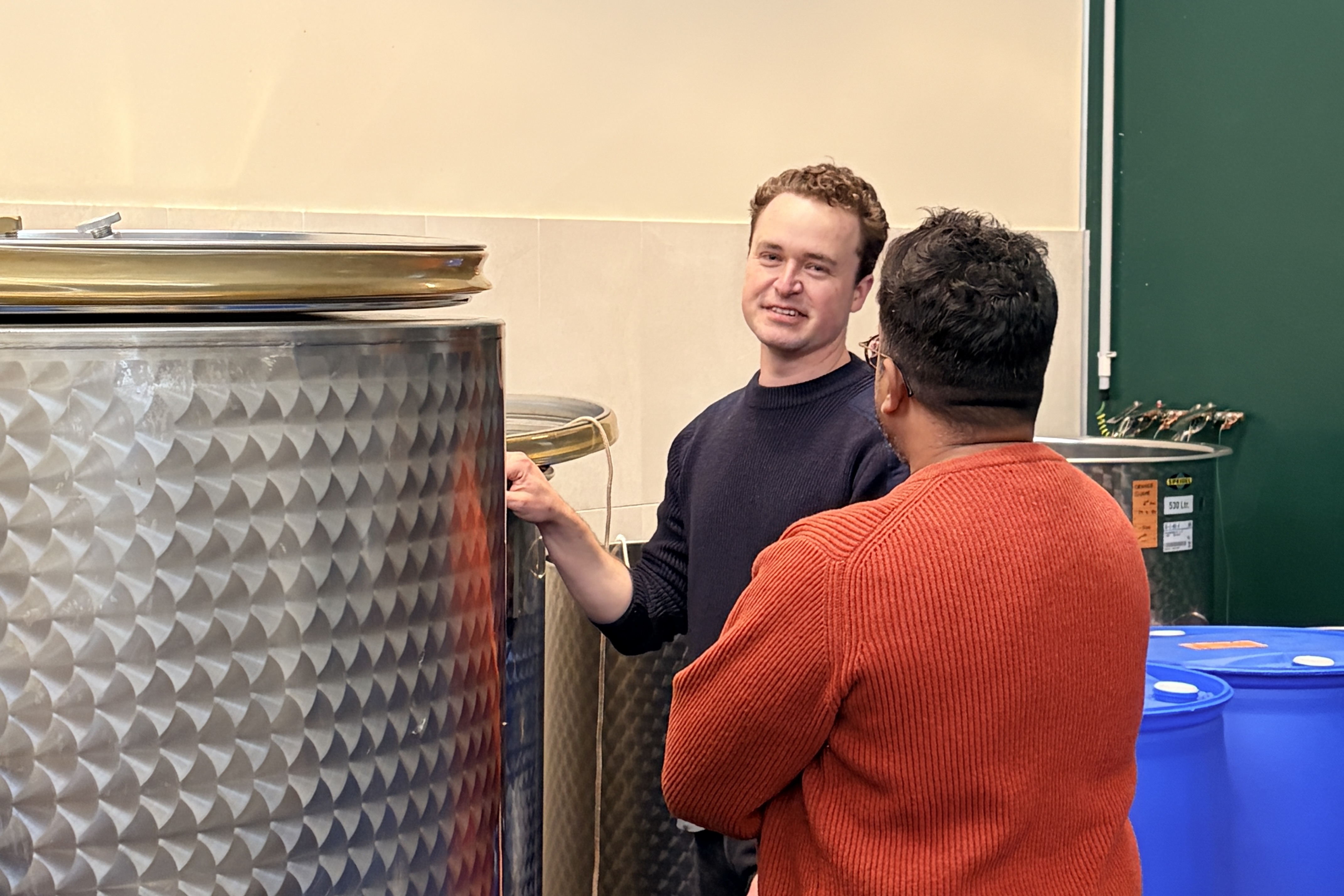
“Marionette was another great example. They make products I'm already familiar with. I know blackcurrants, apricots, walnuts and absinthe. I've tasted those styles in other parts of the world, but there was such a distinct voice to what they were creating, working hand-in-hand with local farmers, carefully selecting ingredients and then putting their own interpretation on them. It's this wonderful meeting of place and philosophy that's unique to this culture.”
Another interesting point of contact he observed was the relationship between Australian wine heritage and modern distilling.
“I knew about Australia's wine industry before coming here but seeing that heritage through the lens of distillation was incredibly inspiring. At MGC, for example, hearing from Andrew [Marks], who comes from a winemaking background, it was fascinating to see gin distillation informed by that expertise,” explained Ryan.
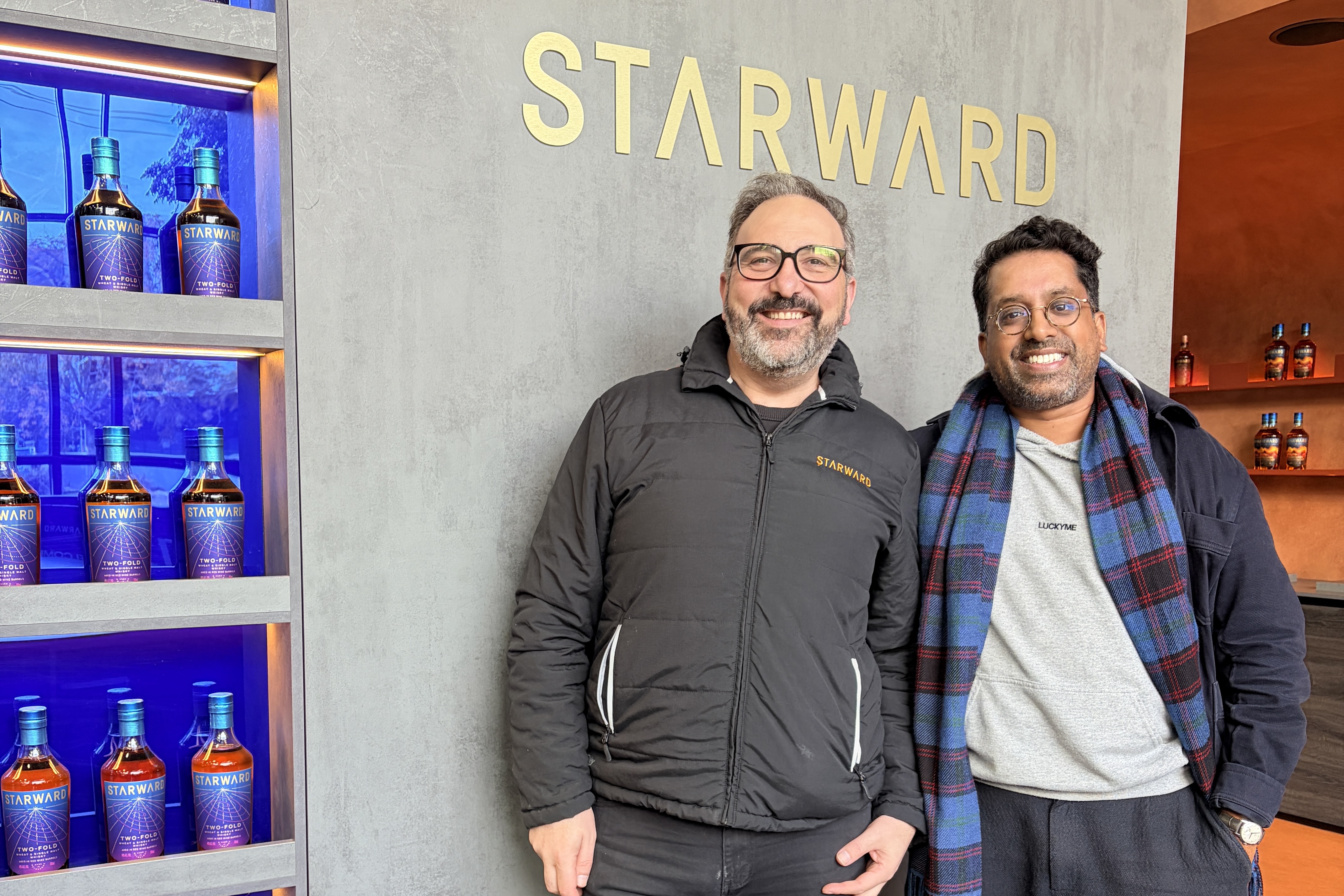
“Then at Starward, it was incredible to see such a different approach to single malt production. Their understanding of local wood, wine, flavour development and maturation creates a distinctly Australian style. And then taking another leap with co-fermentation, where they draw on Australia's brewing and winemaking traditions while using whisky production as the lens to bring those ideas together.”
Ultimately he believes each distillery visited told the story of Victoria in a unique and considered way.
“That's what makes the diversity so exciting,” said Ryan. “The landscape, history and culture here are incredibly varied, and you want to see that reflected in the spirits being made. You don't just want to see one story represented, whether that's wine or anything else. You want to hear a whole chorus of different voices.”
The proof is in the glass
In Ryan's opinion, the dialogue that exists between a place and its spirits is one that celebrates local produce, people and most importantly, their creativity.
“One of the most exciting things about travelling is discovering what tells the story of a place. Some of that comes through the landscape, but what I've always loved, especially somewhere with incredible produce, is the human choices layered on top of it. It's how people interpret those ingredients.
“You really see that when you visit producers. There's this wonderful sense of people saying, ‘Not only do I want to represent this landscape and its products, I want to express what fascinates me about them’.”
Ryan was also taken by the level of freedom, sense of self and experimentation occurring across the state.
“The proof is in the glass. These aren't academic exercises or innovation for innovation's sake. They're producing spirits that are genuinely world-class while telling the story of where they come from and who they are. That's what makes them memorable.”
“Take The Gospel, for example. Rye whiskey is well established in Europe and America, but there was never a sense that they were trying to replicate those styles. Instead, they asked, ‘Rye whiskey already exists, what's our version? What's our interpretation?’ That's such an exciting mindset, and we saw it again and again.
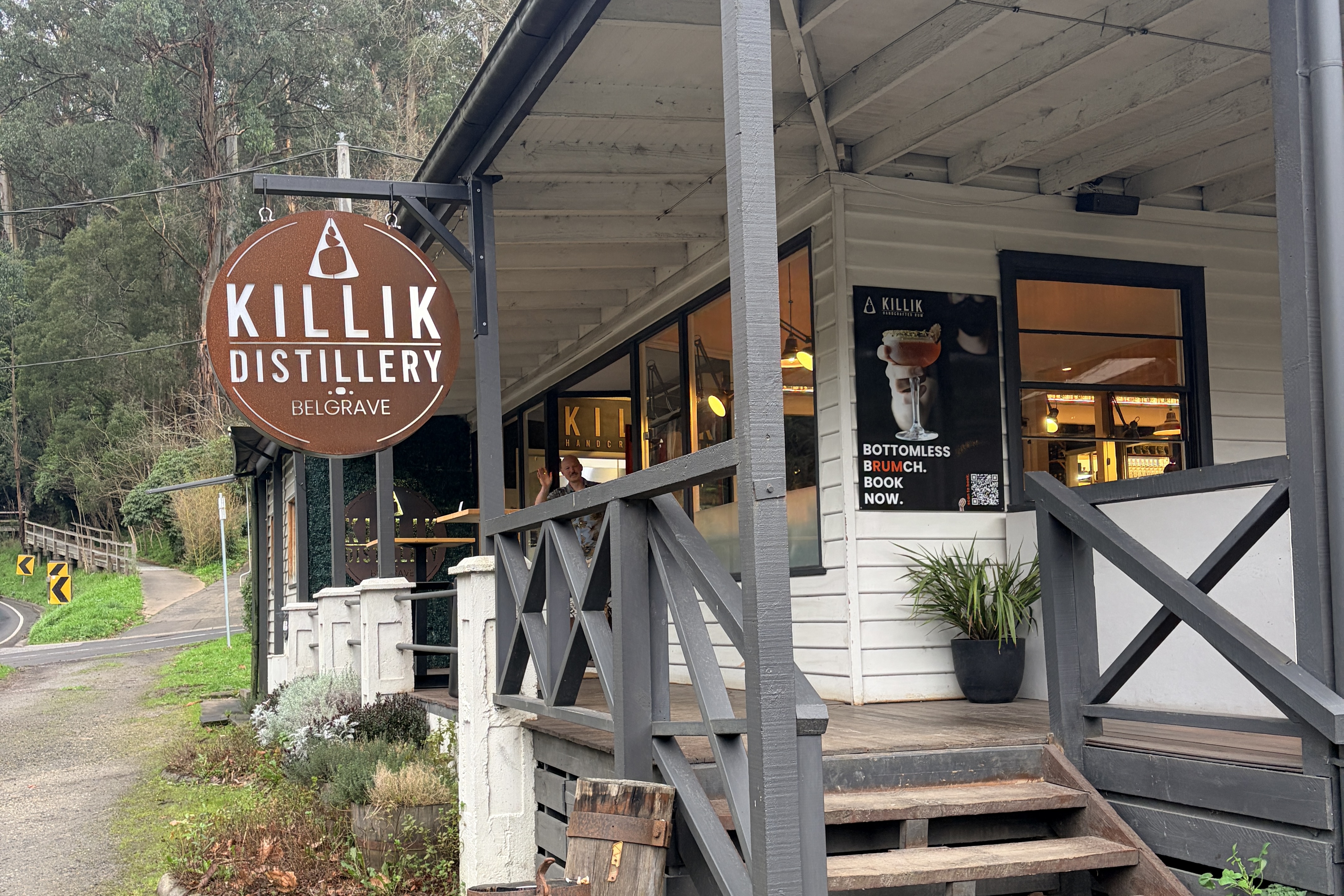
“Another great example is Killik. Their rum is inspired by Jamaica, but they're asking, ‘What's our version of that?’ Coming from a brewing background, they're exploring flavour through fermentation and applying that thinking to rum in a really exciting way,” he said.
Reflecting on the state’s collective success to date, Ryan believes local support has made a significant impact on producers’ ability to innovate and develop creatively.
“It starts with people wanting to support local producers. That's often enough to encourage them to try something new. But then the category expands because the quality is there. You see the same thing happening across food and hospitality. People are actively looking for new flavours because producers are willing to experiment.”
Above all what stood out most to Ryan about Victoria was the overwhelming community support for independent producers and distilleries that he says will continue to push the industry forward in the future.
“You see the excellence that's happening across the industry, and when people rally around each other, you see just how much joy hospitality can bring. Food and drink have an incredible ability to connect people, strengthen communities and enrich everyday life.”