Grain, barrel, blend: the making of Victorian whisky

Every bottle of whisky is the result of three decisions: what grain goes in, what barrel it ages in, and how the final spirit comes together. They might sound like simple choices, but that's where the creativity lives. And with more than 50 whisky distilleries across the state, Victorian makers aren't following anyone's rulebook. Here's how those three decisions shape every dram, and what our distillers are doing with them.
Grain: The flavour foundation
Before a single drop of spirit exists, there's grain, and the grain a distiller chooses, where it's grown and how it's malted shapes everything that follows.
Most Australian whisky is made from malted barley, the same base as Scottish single malt. Barley brings a characteristic malty sweetness with undertones of cereal, biscuit and stone fruit that Victorian makers express in very different ways depending on how it's handled.
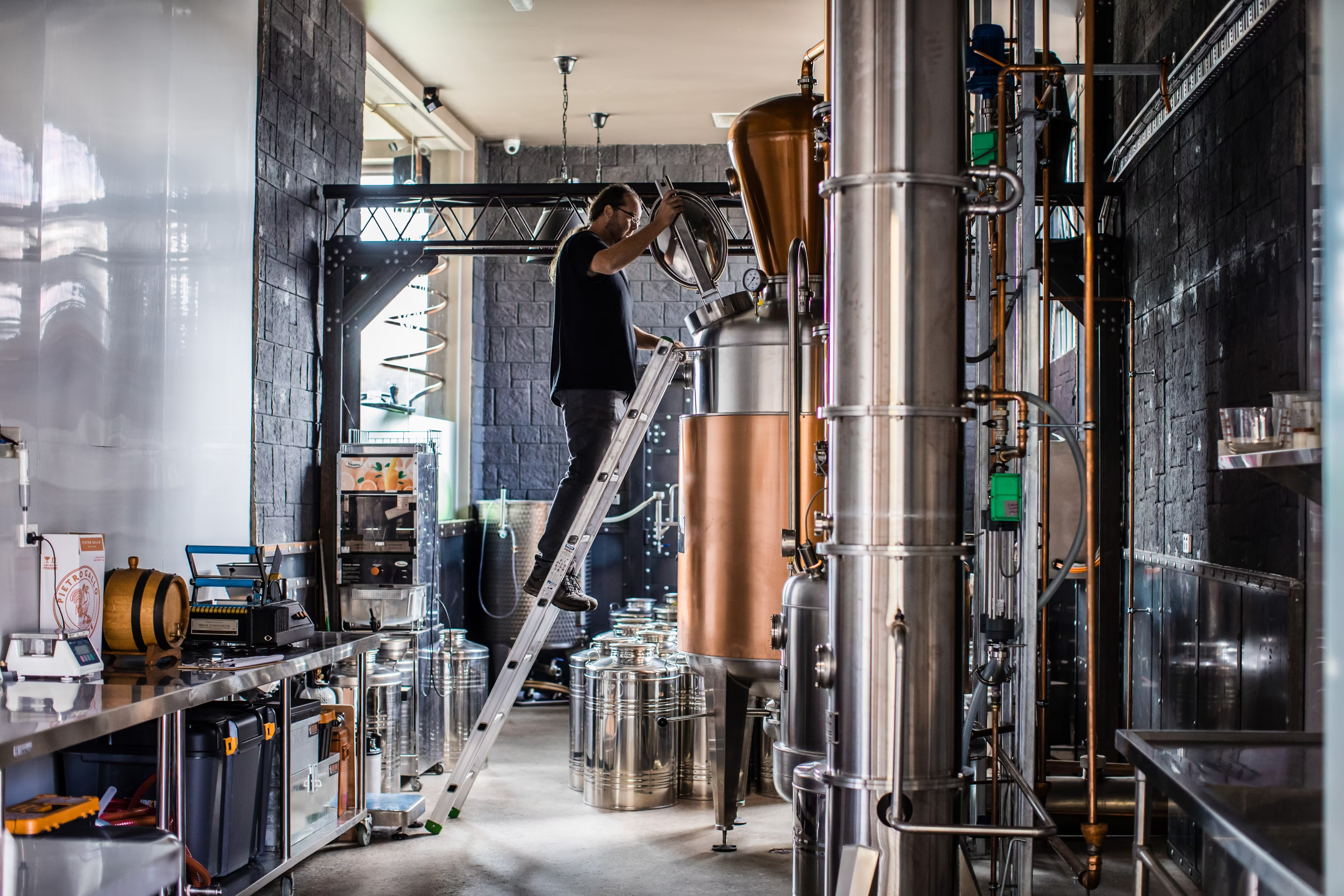
Bakery Hill in Kensington, founded in 1999 and the oldest whisky distillery on mainland Australia, mills, brews and distils entirely on-site using only malted barley, yeast and water: a grain-to-glass philosophy that places everything on the character of the raw ingredient.
But barley isn't a rule, and some Victorian distillers are doing things their own way. The Gospel in Brunswick is one of Australia's only distilleries dedicated entirely to rye whiskey, its 100% unmalted rye sourced from a single farm in the Murray Mallee. It’s a grain that delivers a fundamentally different profile, which is spicier and drier than malt-forward styles.
Dusty Barrel Distillery in Macclesfield is attempting something almost no one else in the country has: whisky made from 100% Australian rice, a cleaner, lighter whisky that's genuinely unlike anything else you’ll try on the shelf. And Loaded Barrel Distillery in Rowville makes a rare oat whisky that is creamy and soft-textured alongside its single malt, rye and wheat expressions.
The grain not only provides the sugar for fermentation, but it defines the character of the spirit before it even sees the barrel.
Barrels: Where patience pays
Here's what makes Victoria different: warm summers and cool winters produce greater temperature swings than most traditional whisky regions, causing the spirit to expand and contract more dramatically in the barrel and extract more flavour in less time. What might take twelve years in Scotland can happen in a fraction of that here, a different kind of maturation that Victorian makers harness deliberately.
They're also unusually experimental about what they mature in. Without Scotland's ready pipeline of ex-bourbon casks, Australian distillers have had to source barrels creatively. What emerged is a barrel culture built on the country's world-class wine regions, its fortified winemaking tradition and some well-cultivated international connections.
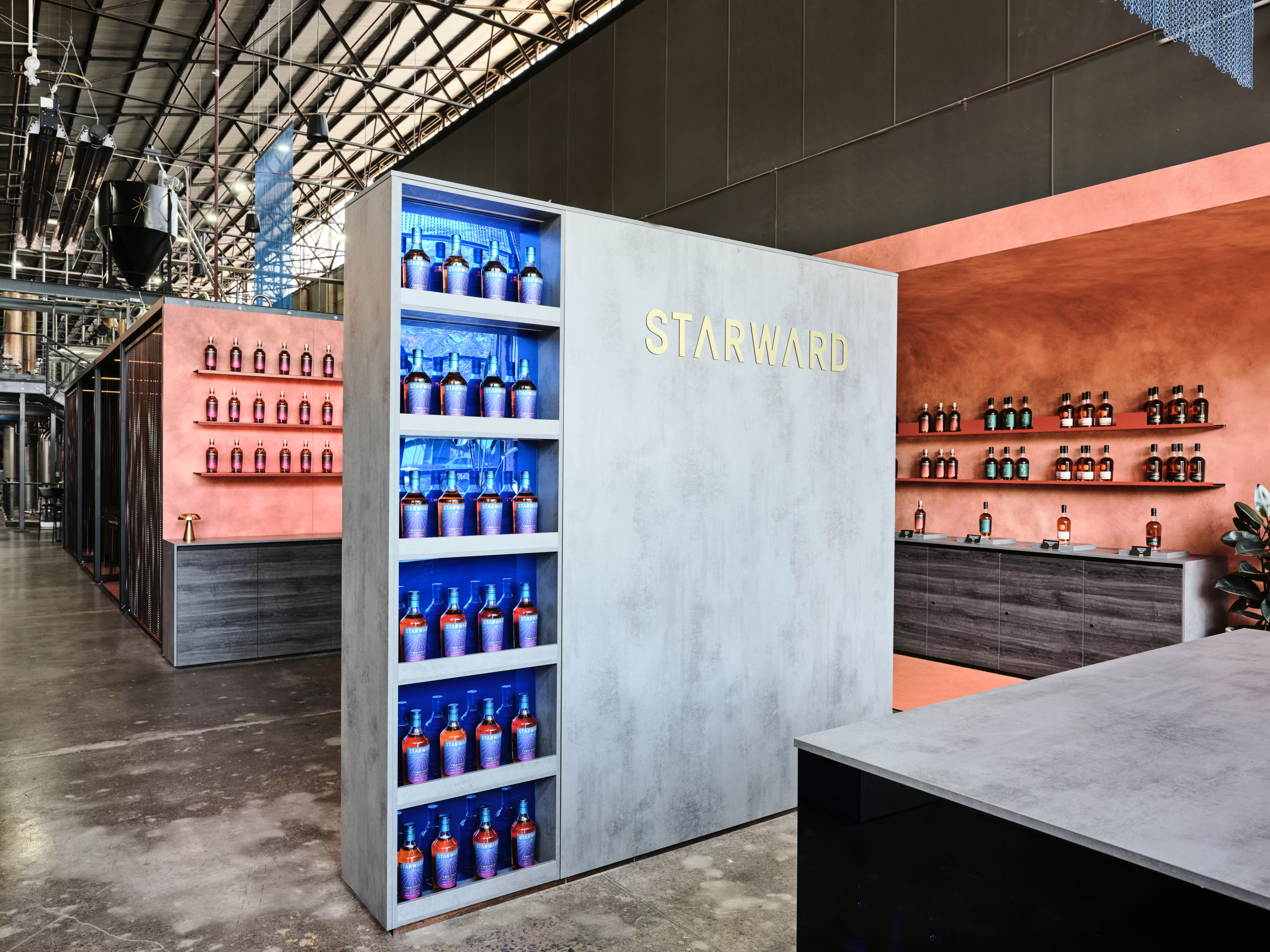
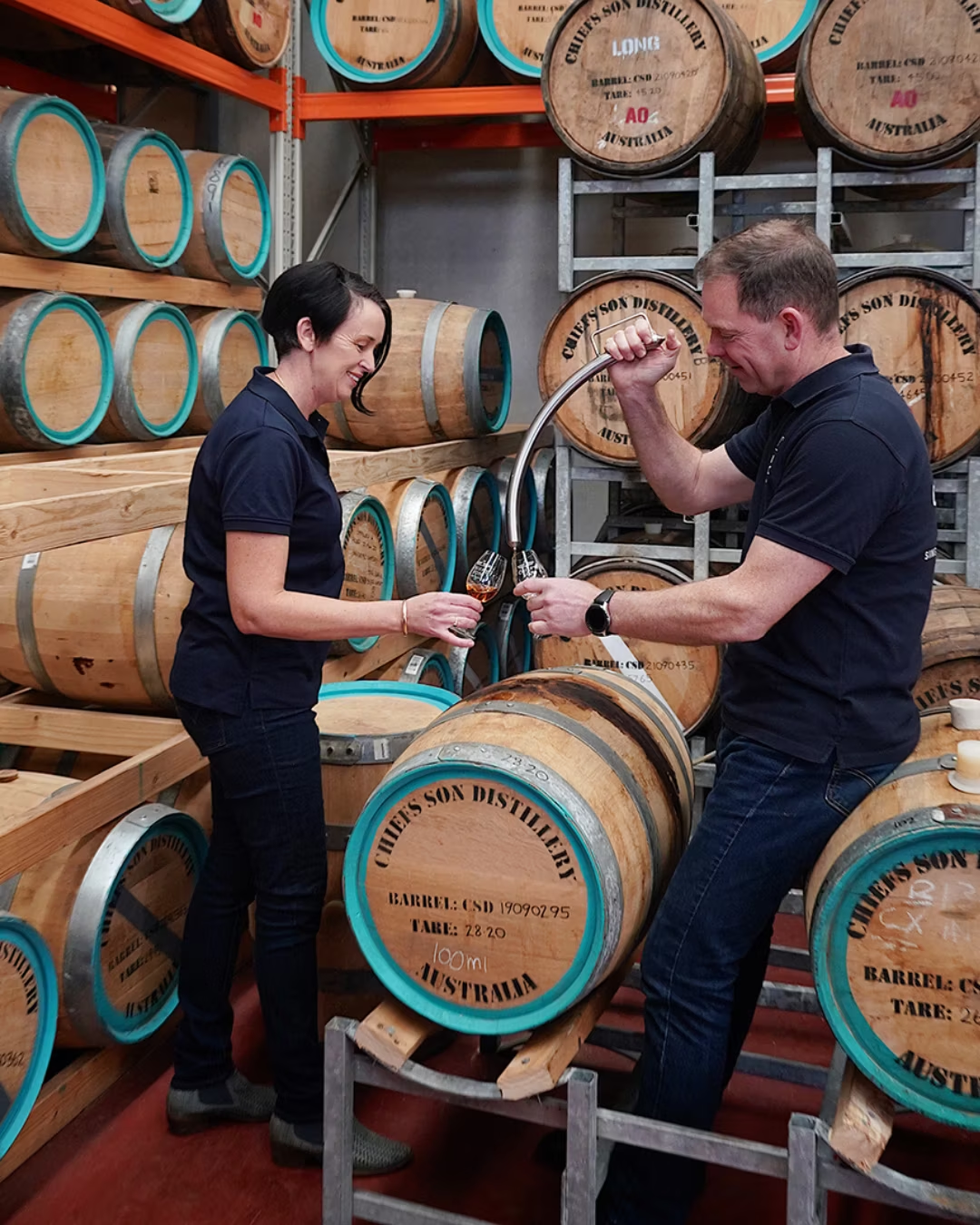
Starward matures its spirit in red wine barrels from Australia's premier wine regions, giving the whisky a richness and fruit-forward character unlike anything from Scotland or Kentucky. Morris of Rutherglen brings six generations of winemaking knowledge to the still, maturing its whisky in French and American oak ex-wine casks before finishing it in barrels from its own award-winning Muscat. Chief's Son Distillery on the Mornington Peninsula ranges widely across Tawny, Apera, fortified and red wine barrels, with some expressions finished in ex-Jamaican rum casks.
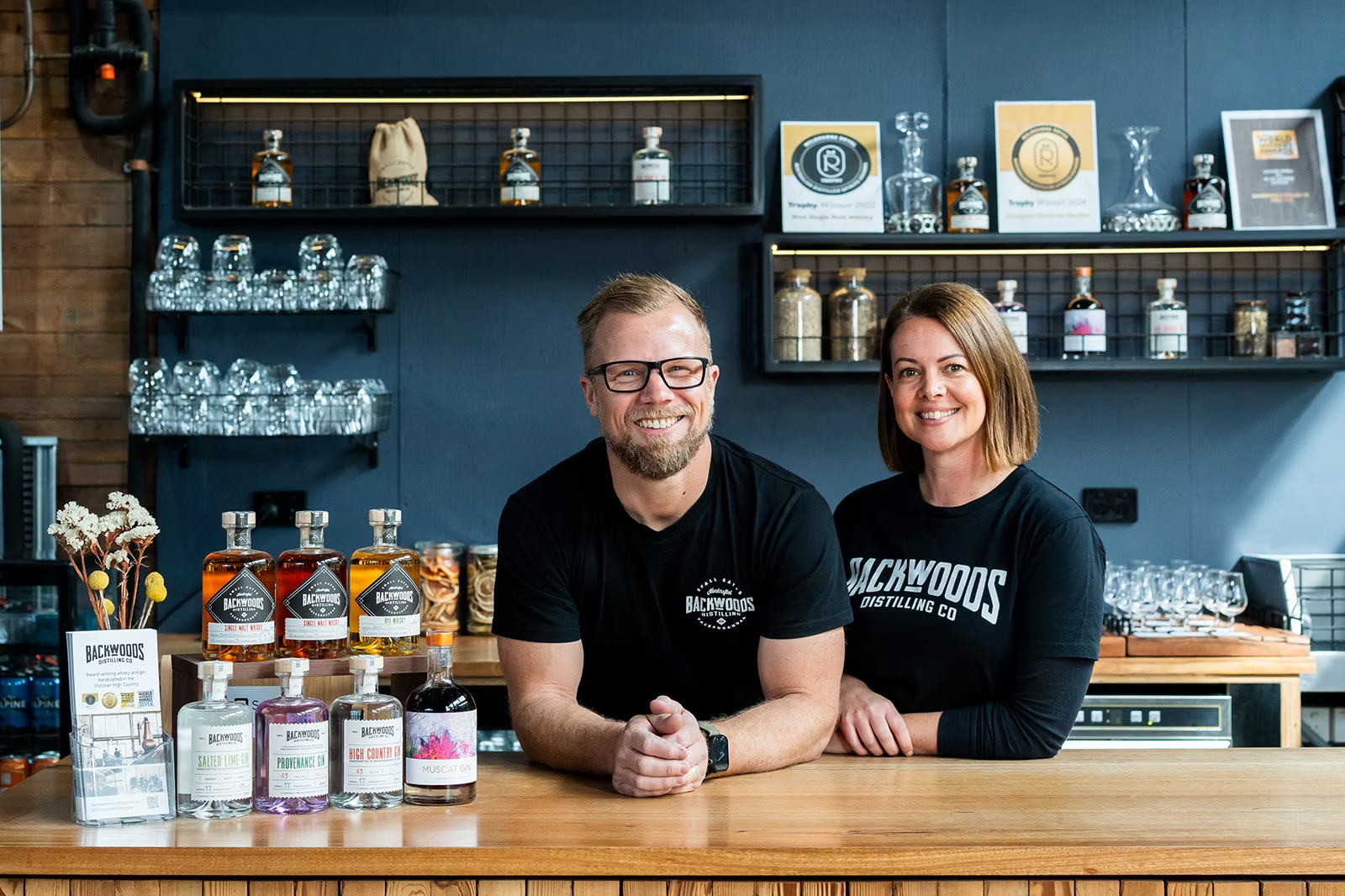
Backwoods Distilling Co. has sourced rare red gum timber casks coopered in the Barossa and has a limited-edition rye maturing in maple syrup barrels, while at Bakery Hill, father-and-son distillers David and Andrew Baker have been experimenting with a mezcal cask. And Loch Brewery & Distillery in South Gippsland starts the experimentation even earlier. Its core whiskies are each distilled from a different ale brewed on-site, then aged across a range of cask finishes.
Blending: Where it all comes together
In whisky, blending doesn't mean cutting corners. It's one of the most skilled parts of the entire process. Whether a distiller is marrying barrels of the same spirit for consistency, layering cask finishes for complexity, or combining base spirits into something new, blending is where you taste the maker's judgement.
Most Victorian whiskies that aren't single cask releases involve some form of blending or vatting: selecting barrels that have developed the right characteristics, judging how they'll interact, and knowing when to bottle.
The Gospel takes it further with its Solera Rye, borrowing the solera system from Spanish sherry and brandy production: a cask continuously refreshed with new spirit but never fully emptied, so the youngest and oldest whiskeys intermingle into a layered complexity no single vintage can produce. Bakery Hill marries its single malt with pure Australian grain spirit matured for up to ten years in ex-bourbon barrels, while Starward builds its expressions from a deep portfolio of wine casks of varying age, origin and character.
What makes Victorian whisky so exciting right now is that there's no right way to make any of these choices. The best way to taste the difference those decisions make is at the source — find every maker here in our distillery directory and plan a visit.