How the Victorian Distilling Scene is Leading The Wave Of Sustainability

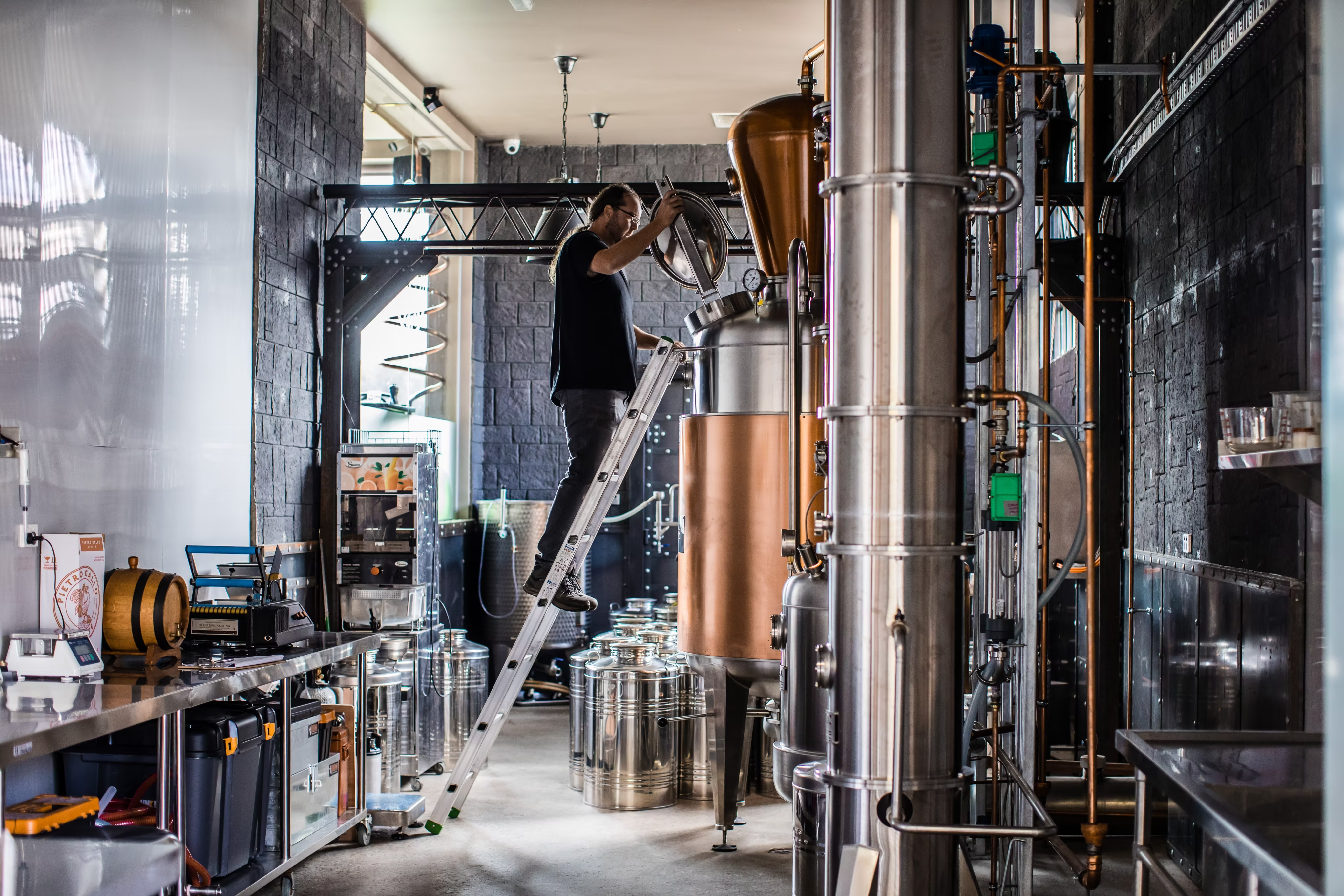
Globally, the spirits industry generates millions of tonnes of organic by-product each year, making initiatives like repurposing botanicals and closed-loop production systems more important than ever. Whether it’s locally sourced ingredients, renewable energy or clever ways of reducing waste, Victorian distilleries are embracing a more sustainable, future-focused way of creating spirits.
Here are some of the distilleries that are leading the way to a more sustainable future.

Bass & Flinders
Bass & Flinders Distillery follows a “grape-to-glass” philosophy, sourcing all grapes from a single Victorian vineyard. The fruit is then distilled into an ‘eau de vie’ that is used as the base for their entire range. With a small-batch framework and the use of locally grown botanicals, Bass & Flinders support local growers and are working to reduce emissions by keeping produce close-to or on distillery grounds.
Big Tree Distillery
Big Tree Distillery has a ‘farm-to-bottle’ practice. They use botanicals that are grown and foraged on-site, or sourced from local producers. Small-batch products also use fresh rainwater that is collected from the roof of the distillery.

Envy Distillery
Envy Distillery operates as a fully off-grid, self-sufficient and solar-powered producer. They use collected rainwater and have a closed-loop cooling system to feed into their traditional Wormtub condensers. The distillery upcycles imperfect wine and grape products from local wineries, repurposes botanical waste, and disperses low-ABV liquid waste back across the farm as fertiliser. It also supports a circular approach through a return-and-earn bottle program.
Four Pillars
Four Pillars implement energy-and water-efficient systems including a closed-loop water system and rainwater tanks, alongside passive cooling design features and an adiabatic cooling system. They also prioritise circular practices, such as keg-fed bar systems to cut glass waste and partnerships with local organisations to turn distillery-waste into compost and ‘made from gin’ products, like marmalade.
Hurdle Creek
Hurdle Creek prioritise locally and Australian grown grains and botanicals in their spirit production. All base-spirits are produced on-site using locally grown grain, and their Powder Monkey Navy Strength Gin was the first new-era gin made with 100% Australian-grown ingredients (including juniper).
Imbue Distillery
Imbue Distillery have a multitude of sustainable initiatives including solar-powered energy, cardboard recycling practices and repurposing of spent distilling waste into their ‘Full Circle Condiments’ range and livestock feed for local goats.
Kilderkin Distillery
Kilderkin Distillery prioritises Australian and locally grown ingredients, while powering operations with solar energy. The distillery repurposes spent grains, botanicals and fruit through local partnerships, and supports a more sustainable approach with a return-and-earn bottle program.
Kinglake Distillery
Kinglake Distillery is certified carbon neutral and has rewilded one-third of its land into native forest following the Black Saturday bushfires, which now provides habitat for relocated koalas. The distillery prioritises Australian ingredients and repurposes spent grain for livestock feed.

Marionette
Marionette uses locally grown ingredients, including botanicals sourced from its own land, and champions surplus and “imperfect” fruit from local growers in its production. The brand also leads initiatives like the Marionette Lemon Orchard Project, where they have leased land from a local citrus producer to grow their own lemon blossom
Noble Bootleggers
Noble Bootleggers operates a regenerative farm with a focus on minimal waste, repurposing by-products into compost and regenerated soil. The distillery uses homegrown botanicals and is powered by solar energy.
Quiet Corner Distillery
Quiet Corner Distillery follows a “grain-to-glass” approach, milling and fermenting its own grain to maintain full control over production. The distillery uses locally grown botanicals and produces in small batches.
Rothwell Distillery
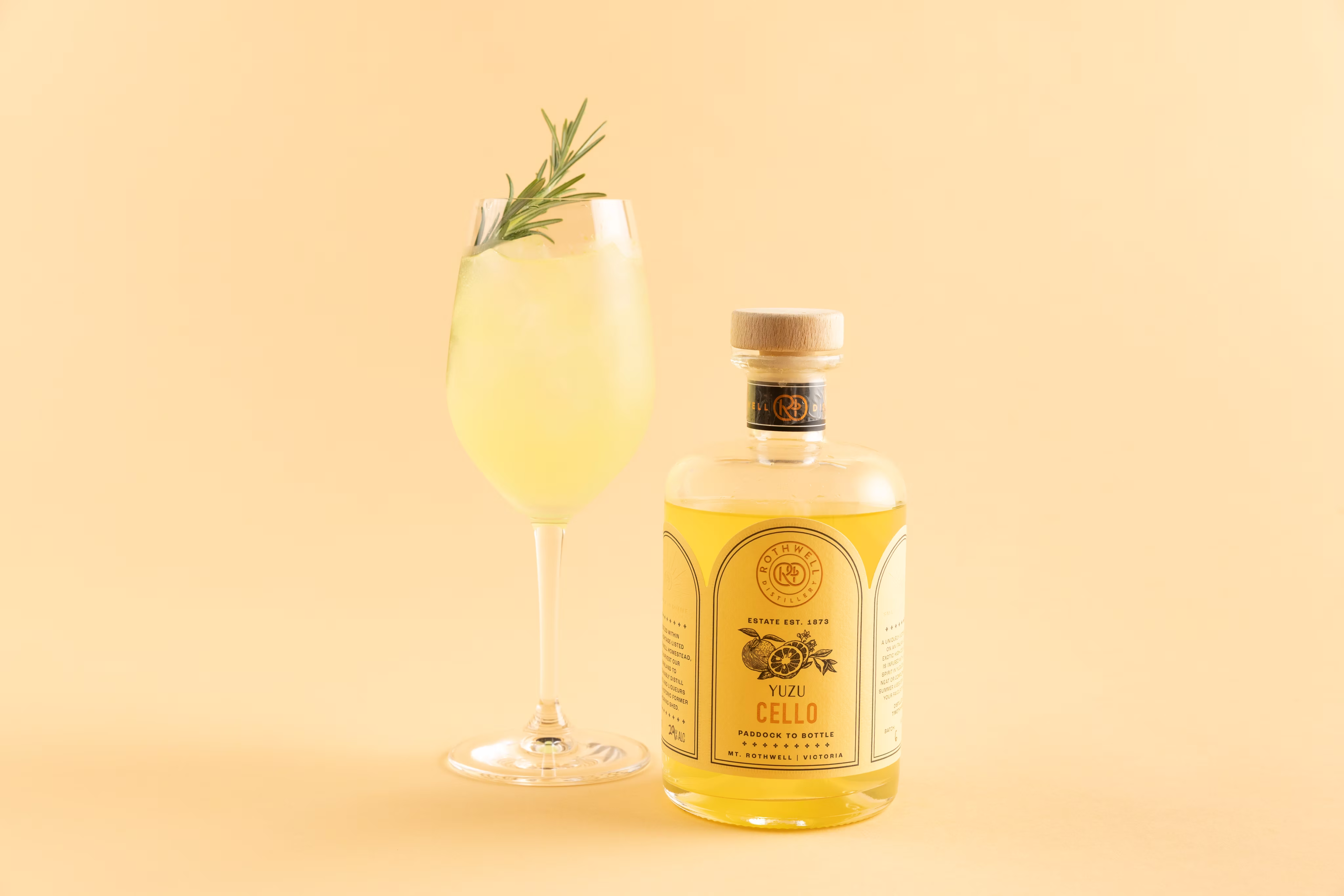
Rothwell Distillery follows a “paddock-to-bottle” approach, growing nearly all of its grain on-site. Powered entirely by solar energy, the distillery operates with no carbon emissions and uses collected rainwater.

Shaws Distillery
Shaws Distillery operates a 100% “farm-to-bottle” model with a closed-loop system, where all waste is repurposed. Spent grain is used to feed livestock, while stillage is returned to the land as fertiliser, supporting a low-waste approach to production.
Suffoir
Suffoir follows a ‘Farm-to-Spirit’ model, producing small-batch spirits using locally grown botanicals and estate-grown vineyard products.
Swiftcrest Distillery
Swiftcrest Distillery has operated off-grid and chemical-free for over 20 years, using a wood-fired steam boiler powered by fallen timber from the property. It also incorporates biodynamic and organic ingredients and botanicals in its spirits.

That Spirited Lot
That Spirited Lot repurposes spent botanicals into garnishes and syrups, uses recycled and compostable packaging, and is powered by solar energy.
Together, these distilleries are proving that great spirits and thoughtful production methods can go hand in hand. By prioritising local ingredients, renewable energy and smarter ways to minimise waste, they’re helping shape a more sustainable future for Victoria’s drinks industry, one bottle at a time.
To find Victoria's sustainable distilleries, explore our map to find your favourite here.