JimmyRum and the rise of Victorian Rum
When James McPherson first joked that he might quit maritime work and “go make rum,” no one expected him to follow through. He’d spent two decades at sea, travelling the world, drinking in cultures - and rum - everywhere he went. But one late night in a one-star hotel in Karratha, drinking a craft beer from the other side of the country, he recognised a gap so glaring he couldn’t ignore it:
In Australia, beer had gone artisanal, coffee was worshipped and gin was exploding, but rum was hard to find. Not imported rum, that was common, and not mainstream rum but craft rum. Thoughtful rum. Rum with breadth and style and regional identity.
“I could get a craft beer in the middle of nowhere,” he recalls, “but if I wanted a great craft rum? Forget it.”
Within months, redundancy hit his industry. He leaned into the joke, bought a book, bought a plane ticket, and decided to learn everything he could. More than 70 distilleries across Australia, North America, the Caribbean and Europe later, a plan formed. He would build a distillery dedicated solely to rum - in Victoria.
Not because Victoria was the obvious choice, but precisely because it wasn’t.
Rum, in a land of gin and whisky
Victoria’s distilling scene is diverse, vibrant and proudly craft-led but its reputation sits firmly with gin producers, flavourful liqueurs and small-batch whisky makers. Rum, historically, has been the outlier. Not exactly absent, but uncommon and carried the baggage of a category that is still misunderstood and often pigeonholed as sweet or brash.
Meaning that when JimmyRum opened in Mornington, it was less a commercial play and more a cultural challenge.
“It’s my greatest challenge and my greatest reward,” James says. “To watch someone taste rum and realise it’s not what they thought – their mind is genuinely blown.”
Rum, after all, is not one thing. Around the world it’s grassy and fresh, rich and sticky, funky and ester-driven, column-clean or pot-heavy, elegant, dry, spiced, bold or subtle. It is arguably the most diverse major spirit category in the world but Australia hasn’t historically been exposed to this diversity.
That’s the change distillers like JimmyRum are helping drive.
"Victoria is such a vibrate state for distilling and just because we can’t grow the cane here doesn’t mean we have to limit the styles of rum we make," explains James. "Killik in is doing amazing heavy set Jamaican style rums and many others like Hunters Rum Distillery, Infusa, Timboon or Nubilum are doing their particular style."
JimmyRum is one of a small number of rum producers now shaping Victoria’s emerging cane-spirit identity but it’s unique in its singular focus. While other Victorian rum distillers create rum alongside gin, vodka or whisky, JimmyRum set out as rum only.
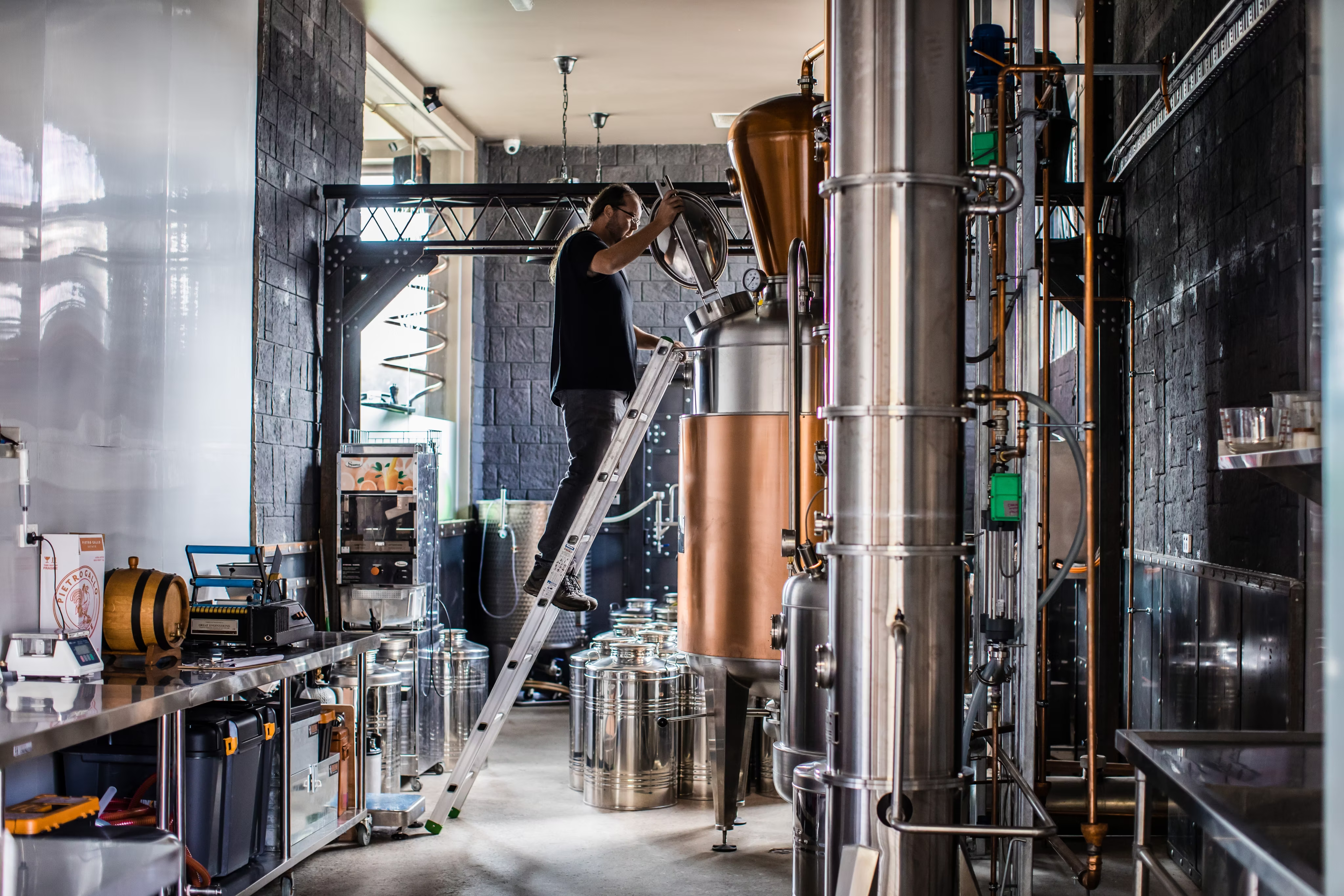
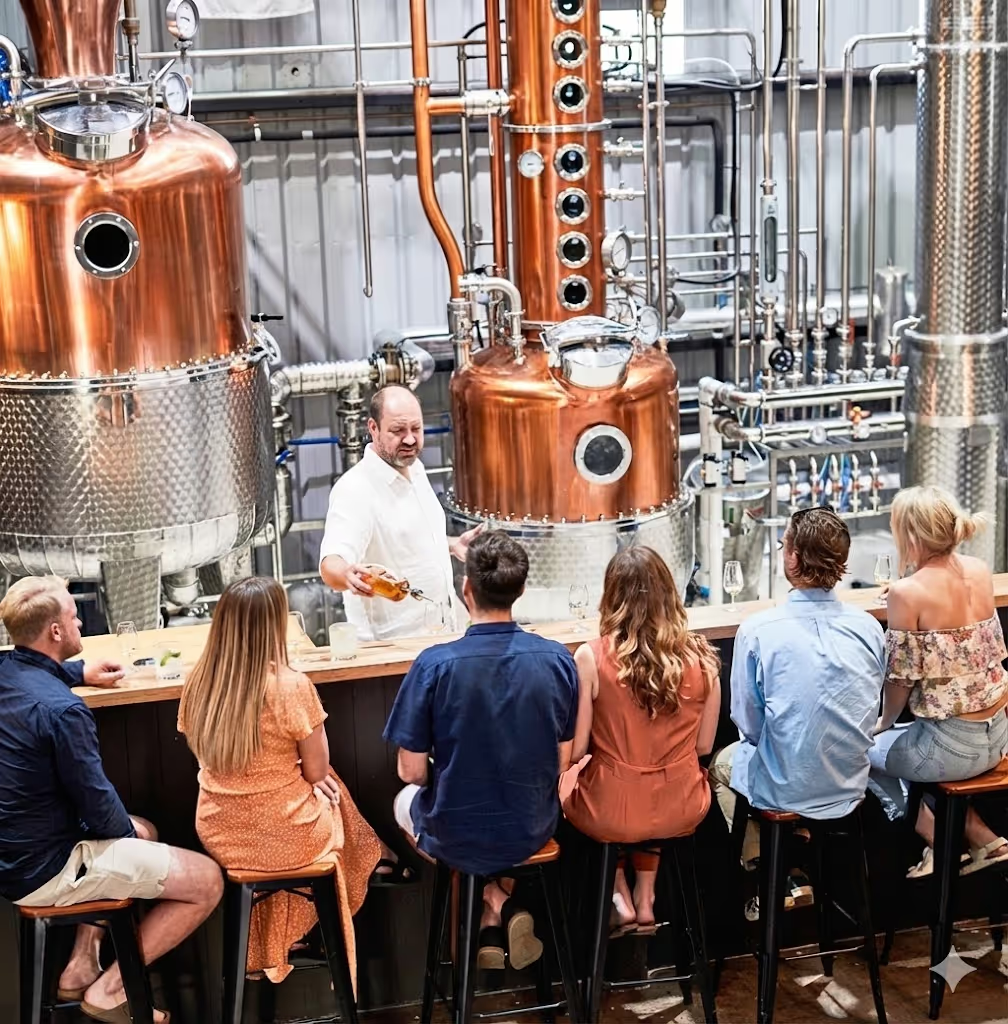
The business model James launched on mirrors craft breweries with the venue building community, education and cashflow up front and the bottles of spirit following - eventually taking over as the primary focus. The still, a towering Italian-built beast purchased before James had ever distilled professionally (or non-professionally), was chosen for its versatility. The team wanted to explore every rum style they could, from light column spirit reminiscent of Spanish styles through to deep Jamaican funk.
Three mandates now guide this distillery. Firstly, they show rum’s diversity. From cane-spirit releases to aged, funky, refined and experimental expressions, the goal is simple: expand perception.
Second, they strive to premiumise rum. This spirit isn’t mixer-fuel but can sit beside world-class single malts and brandies.
And lastly James and the team want to put modern Australian rum on the world stage, although not in a mass market way but in the bars and hands that shape opinion.
“We want rum from Victoria sitting on the back-bar in San Francisco, London, Singapore. Not as a novelty but as a benchmark.”

The future of rum in Victoria
Rum brands can’t grow local cane in Victoria, but it can source something the state is world-renowned for: pinot noir. Curiosity led James to experimentation and experimentation led to a world-first – a cane spirit infused over freshly picked pinot grapes, vintage-driven and deeply expressive of place.
The first batches came from grapes grown just down the road. Now, each year’s release changes with the season, from lighter and drier in low-sugar vintages to lush and aromatic when the fruit thrives. Familiar and new to drinkers all at once.
So, where does Victorian rum go next?
Rum in Victoria isn’t crowded —there’s plenty of room and a growing appetite, and while JimmyRum was one of the early voices pushing the conversation forward, James is clear: the future depends on many producers, not one.
“All boats rise with the tide,” he says. “The problem isn’t the two-year rum law – it’s that people haven’t tasted enough good rum. We need more liquid on lips.”
More events. More cellar doors. More distillers playing with regional ideas. Rum as agricole, rum as spice, rum as subtle session-spirit or oak-driven heavyweight. Rum that surprises people and converts the sceptical and rum that reminds Australians that it can be elegant, modern, and ours.