How to get the most out of your distillery trip: a guide to tasting spirits like a pro
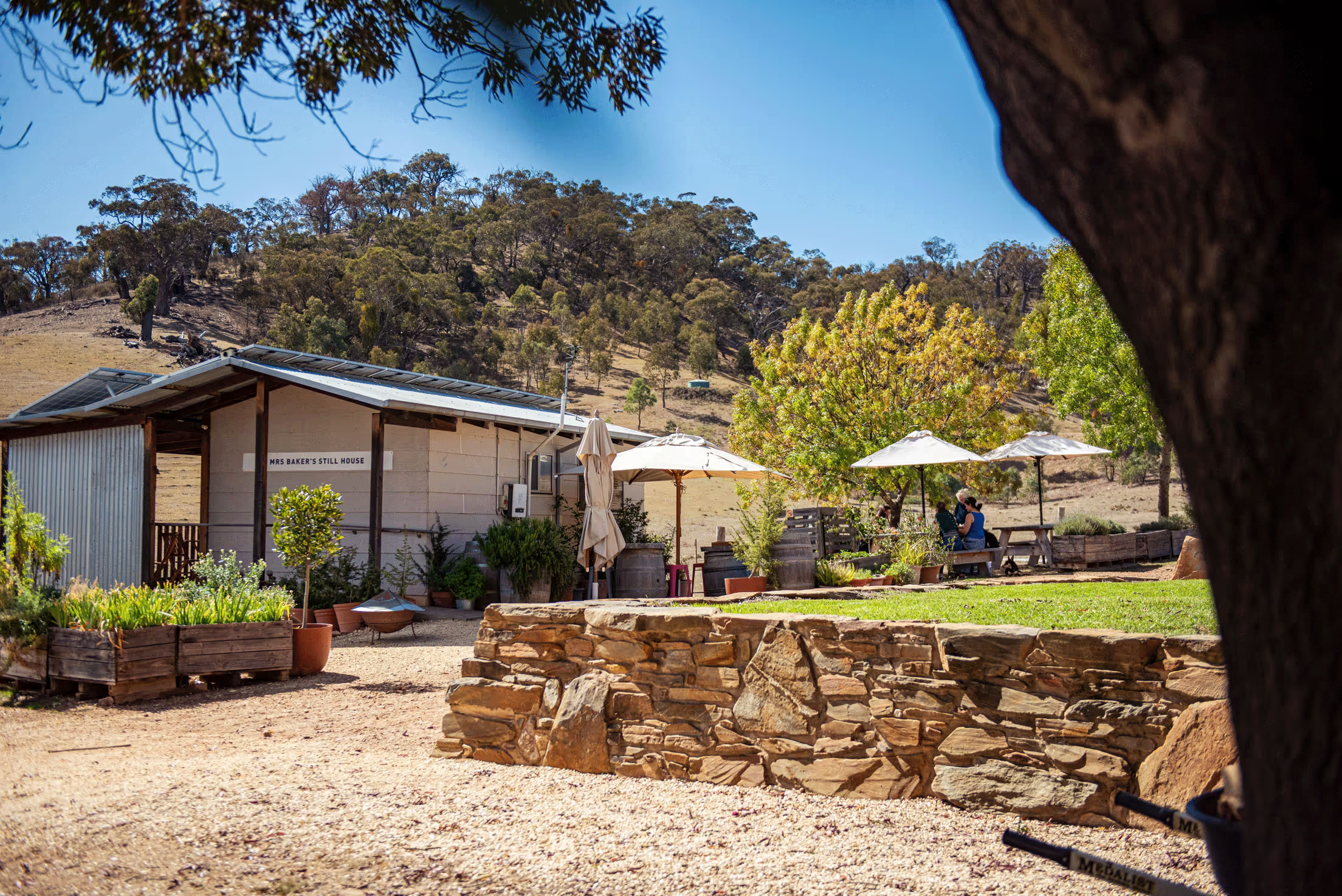
There’s something undeniably special about tasting a spirit at the very place it was made. With the stills humming in the background, the scent of botanicals in the air and the barrel warehouse just metres away, it places the spirits and liqueurs in their heartland. But if you really want to get the most out of any distillery visit in Victoria, it helps to understand how to taste spirits with intention (and not get a nose full of ethanol).
Here’s how to slow down, tune in, and taste like the makers do.
Start with the nose, but go gently
When nosing a spirit, think aroma exploration, not deep inhalation.
Spirits sit at a much higher ABV than wine, so if you bury your nose in the glass and take a big sniff, you’ll mostly get a face full of ethanol, which is deeply unpleasant and completely masks the aromas the distiller worked hard to create.
- To smell a spirit properly you want to hold the glass just below your nose, not inside it.
- Take short, gentle sniffs with your mouth slightly open (this softens the alcohol prickle).
- Move the glass under each nostril. Your sense of smell actually differs side to side.
- Let your brain catch up, aroma identification takes a few seconds. Look for broad families of aroma first: fruity, floral, herbal, spicy, grainy, earthy, smoky. Then drill down if something jumps out.
Swirl and observe for texture
A quick swirl releases more aroma and lets you observe how the spirit moves in the glass. This doesn’t have to be a big movement, you just want the liquid to swish on both sides of the glass and run back down.
Look at the “legs” or “tears” running down the inside of the glass. Slow and thick suggests a fuller, oilier spirit which is often associated with whiskies and aged rums. Fast and light hints at a cleaner, crisper spirit like vodka or many gins.
This won’t tell you everything, but it gives an early hint about texture before you taste.
Assess the colour
If you’re tasting whisky, rum, brandy or an aged gin, colour carries useful cues.
- Pale gold often means a younger spirit or a cask that previously held something light.
- Amber to deep bronze suggests longer maturation or the influence of richer, more active barrels like sherry or fortified wine casks.
- Mahogany can signal significant age, heavy cask influence or unique woods like Australian wine-seasoned barrels.
Remember, most Victorian distillers avoid artificial colouring so what you see genuinely reflects the spirit’s journey in the barrel. But it’s always worth asking if they do use a little to ensure consistency which may influence what you see.
Time to taste
Take a small sip, just enough to coat your tongue and let the spirit sit for a moment before swallowing.
Pay attention to:
- Texture: oily, silky, dry, crisp?
- Flavour development: does it hit fast then disappear, or build slowly?
- Finish: what flavours linger, and for how long?
A second sip often reveals more than the first. Your palate adjusts quickly.
Dilute to taste (yes, really)
Water is one of the most under-used tools in spirit tasting. Adding a few drops and bringing a spirit down a few ABV points can open up aroma compounds and soften heat. This is exactly what distillers do when assessing barrels.
To dilute well (and respectfully) use water at room temperature and add gradually while tasting as you go. Stop when the heat softens and the flavours unfurl. This is by no means “cheating” - it’s a great tasting technique especially if all you’re getting at first is alcohol heat.
What tasting notes to look for
While it’s good to let the spirit speak to you, it’s also handy to have an idea of what to look for if you’re ever uncertain of what you’re smelling or tasting.
Whisky
Australian whisky varies widely, but a few classic markers include:
- Aromas: stone fruit, apricot, honey, vanilla, toasted oak, baking spice, cereal grains, chocolate, dried fruit.
- Palate: malty sweetness, orchard fruits, toffee, spice, citrus peel, nuttiness.
- Finish: warmth, oak spice, lingering sweetness or smoke (if peated).
Look for how the spirit balances grain character with barrel influence.
Rum
From Victoria’s coastal rum makers to molasses-forward dark styles, rum is wildly expressive.
- Aromas: caramel, tropical fruit, banana, citrus, vanilla, dried fruit, toasted sugar, light estery funk.
- Palate: molasses richness, spice, orchard or tropical fruit, toffee, brown sugar, citrus.
- Finish: warm, rounded, often creamy or lingering with spice.
Pay attention to whether it leans fresh and grassy (from cane juice) or deep and rich (from molasses).
Gin
Instead of trying to identify all botanicals (nearly impossible), focus on structure.
- Aromas: juniper (always), citrus, herbs, florals, pepper, coastal botanicals, tea, eucalyptus.
- Palate: is the citrus bright? Are the herbs savoury? Is it floral and soft or piney and robust?
- Finish: how long does the juniper linger? Does the palate dry out or stay lush?
What matters most is whether the botanicals feel harmonious.
Vodka
Vodka isn’t about neutrality, it’s about subtlety.
- Aromas: clean grain, delicate sweetness, faint citrus or mineral notes.
- Palate: soft, crisp, creamy, silky or sharp depending on base material.
- Finish: clean and refreshing with a light warmth.
Focus on mouthfeel, is it plush, icy-clean, or somewhere in between?
Liqueurs
Liqueurs showcase flavour intensity and balance.
- Aromas: bright fruit, spices, nuts, herbs, coffee, citrus oils, florals, all depending on style.
- Palate: sweetness should carry flavour, not dominate it. Look for layers rather than simple sugar rush.
- Finish: does the flavour linger naturally, or disappear once the sweetness fades?
Don’t be afraid to taste liqueurs neat, over ice, and diluted as they change dramatically.
Our final tip: ask questions
Distillers love sharing their craft. Ask about:
- the grains, fruits or botanicals used
- fermentation quirks
- barrel types
- decisions made during distillation
- how the climate shapes maturation
- how to best enjoy the spirit at home
You’ll walk away with a deeper appreciation of the spirit in your glass, the place it was made and hopefully have found a new favourite in your own state.